New York community guide
Schenectady, NY Real Estate & Community Guide
Real estate & local living
Schenectady brings historic residential streets, downtown destinations, and the Mohawk waterfront into the same home-search conversation. The right fit depends on the specific address and the way you use it. Consider the outdoor space, floor plan, upkeep, and routes to the places that shape your week.
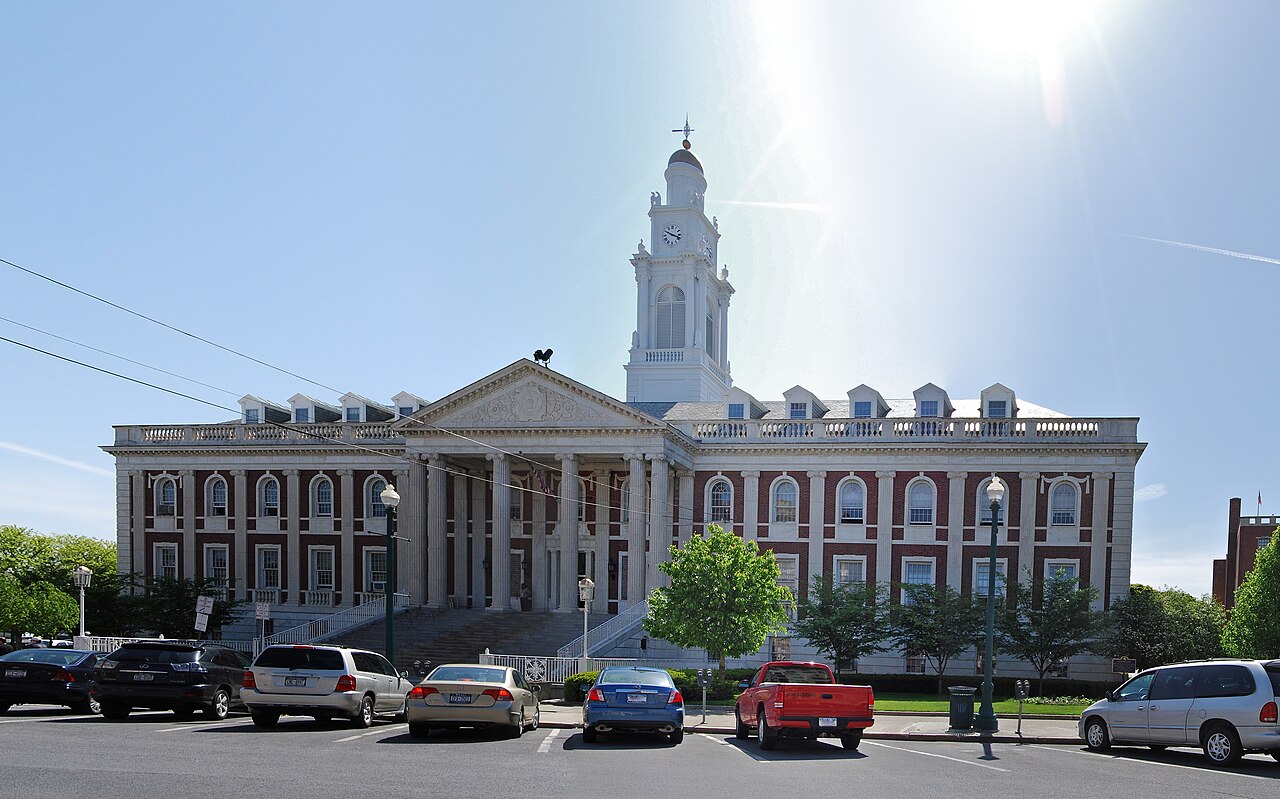
Photo: Matt H. Wade (UpstateNYer), CC BY-SA 3.0, via Wikimedia Commons. Resized.

The Stockade, downtown, and Mohawk Harbor
The city identifies the Stockade as New York State’s first locally designated historic district, created in 1962. A walk through the district is a useful introduction to its architecture, but a historic setting is only one part of evaluating a home. Look closely at access, outdoor space, and the practical needs of the building.
Mohawk Harbor offers another point of comparison, with public waterfront space and an amphitheater. Downtown’s Amtrak station on Erie Boulevard is relevant if rail travel is part of your routine. Check current transportation information and try your own route rather than relying on a promised travel time.
Architectural appeal and ownership costs
For an older home, build your comparison around condition as well as character. Ask about roof and masonry work, heating equipment, electrical updates, moisture management, and the history of additions. Compare the rooms you will actually use, not just the total square footage. Discuss specialist questions with your inspector.
Schenectady’s historic-preservation office provides district maps and information about alteration review. Check the exact address before assuming future exterior work can proceed in a particular way. Sellers should gather project records and explain completed improvements, helping buyers distinguish a finished update from a project that needs investigation.
Make the comparison specific to the address
Two homes with similar room counts can create different costs and routines. Keep a written comparison, including the questions you have not yet answered.
- Test usual travel routes, including the final connection to a station, parking space, or entrance.
- Confirm driveway access, parking rights, boundaries, and shared responsibilities.
- Review current taxes and available utility and maintenance information.
- Review drainage and water history with your inspector; check property-specific flood information and insurance needs.
Build a record of a Stockade home’s improvements
When considering a Stockade property, organize the available work history by project: what changed, when it changed, and which records support it. Keep exterior approvals separate from roof, masonry, heating, and electrical maintenance records. This gives your inspector and the city clearer questions to answer. Sellers can use the same project list to explain completed improvements and identify documents worth locating before listing.
Questions about Schenectady
What should I know about buying in the Stockade?
Review both the home’s physical condition and the city’s historic-district information. Ask for available repair and approval records, then discuss planned exterior work with city staff before assuming its scope or cost.
Can I include train access in a Schenectady home search?
Yes. Schenectady has an Amtrak station on Erie Boulevard. Start with your destination and current service information, then compare the trip from each home to the station. Its presence alone does not establish a convenient commute for every address.
Make your next move in Schenectady
Buying or selling? Tell D Clark Real Estate about your plans, preferred home features, and questions about Schenectady. We’ll help you plan the next steps.